

 Cart is empty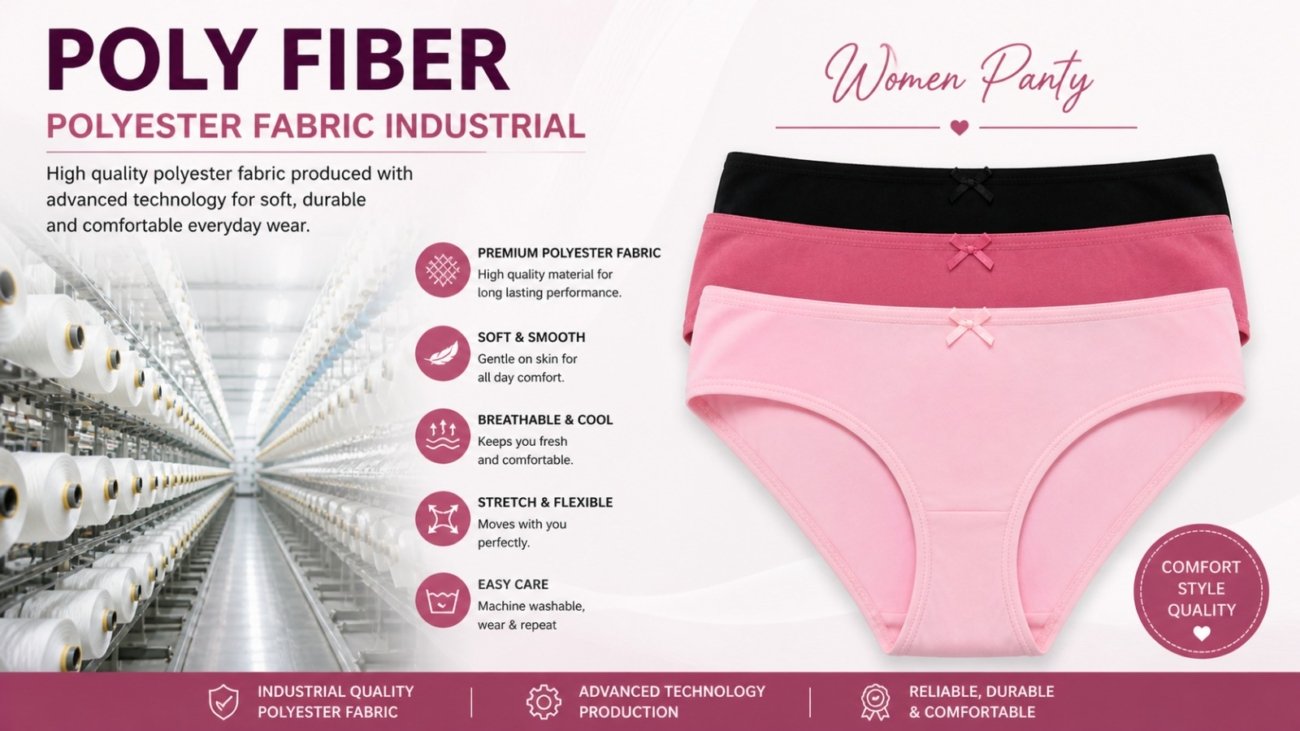
MADE FOR POLY FIBER
Polyester fiber is a synthetic material made primarily from petroleum-based chemicals, most commonly polyethylene terephthalate (PET). It is widely used in the textile industry because of its durability, strength, and resistance to shrinking and stretching. Polyester fibers are lightweight, quick-drying, and resistant to wrinkles, making them ideal for clothing, upholstery, and home furnishings. They can also be blended with natural fibers like cotton to enhance fabric performance and longevity.
In addition to its practical benefits, polyester fiber is valued for its low cost and easy maintenance. However, it is not very breathable compared to natural fibers and can retain heat, which may cause discomfort in hot climates. Another concern is its environmental impact, as polyester is non-biodegradable and contributes to microplastic pollution when washed. Despite these drawbacks, advancements in recycling technologies have led to the development of eco-friendly recycled polyester, helping to reduce waste and promote sustainability.
IS POLY FIBER GOOD FOR HELTH?
Polyester fiber is generally considered safe for everyday use, especially in clothing and household fabrics. For most people, it does not cause serious health problems. It is non-toxic and resistant to mold and mildew, which can actually make it a good choice in humid conditions. However, because polyester is not very breathable, it can trap heat and sweat against the skin, sometimes leading to discomfort or minor skin irritation, especially in hot weather.
Some individuals with sensitive skin may experience itching or rashes when wearing polyester for long periods. Another concern is that polyester can release tiny microplastics during washing, which may affect the environment more than direct human health. Overall, polyester is fine for regular use, but if you have sensitive skin or live in a very hot climate, choosing natural fabrics like cotton may feel more comfortable.
HOW DO WE MAKE POLY FIBER FOR ENVIRMENT FRIENDLY.
Making polyester fiber environmentally friendly starts with using recycled materials instead of new petroleum resources. Recycled polyester (often called rPET) is commonly made from used plastic bottles and waste plastics. These materials are cleaned, melted, and reprocessed into new fibers. This approach helps reduce plastic waste, saves energy, and lowers greenhouse gas emissions compared to producing virgin polyester.
Another important step is improving the manufacturing process. Factories can adopt energy-efficient machines, use renewable energy sources, and reduce water consumption during production. Eco-friendly dyeing techniques and non-toxic chemicals can also minimize pollution of water and soil, making the overall process safer for both humans and the environment.
Designing products for longer use also plays a big role in sustainability. Strong, durable polyester fabrics reduce the need for frequent replacement, which in turn reduces waste. Additionally, avoiding complex blends with other fibers can make recycling easier at the end of the product’s life, supporting a circular economy.
Finally, reducing microplastic pollution is essential. Special washing bags or filters can be used to catch tiny fibers released during laundry. Researchers are also working on biodegradable or plant-based polyester alternatives that break down more easily in nature. These combined efforts help make polyester fiber more environmentally friendly.
“DispenserStore manufactur & delivers innerwear that supports every undergrament lifestyle—whether it’s daily wear, active routines, or relaxed moments at home. We blend innovation with reliable manufacturing to create men, women, and kids undergrament products that not only look good but feel even better. At Dispenserstore, our goal is simple: to make innerwear that offers confidence, comfort, and trust in every wear.“
Polyester fiber is very versatile, and it can be made into several different types of fabrics depending on how it is processed and woven. Broadly, there are 4 main types of polyester fabrics:
Filament polyester fabric – Made from long continuous fibers, this type is smooth, shiny, and strong. It is commonly used in dresses, sportswear, and linings because of its silky appearance.
Staple polyester fabric – Made from short fibers spun together like cotton, this fabric feels softer and more natural. It is often used in everyday clothing and is commonly blended with cotton.
Textured polyester fabric – These fibers are specially treated to add bulk and stretch, making them ideal for activewear, socks, and knit fabrics. They provide comfort and flexibility.
Microfiber polyester fabric – Made from extremely fine fibers, this type is very soft, lightweight, and good at absorbing moisture. It is used in cleaning cloths, sportswear, and high-performance garments.
So, while there are many variations, these four main types cover most polyester fabrics used in daily life.
Polyester fiber can be turned into many different fabric types depending on how it is spun, woven, or finished. Here are 10 common types of fabrics made from polyester fiber:
“DispenserStore manufactur & delivers innerwear that supports every undergrament lifestyle—whether it’s daily wear, active routines, or relaxed moments at home. We blend innovation with reliable manufacturing to create men, women, and kids undergrament products that not only look good but feel even better. At Dispenserstore, our goal is simple: to make innerwear that offers confidence, comfort, and trust in every wear.“
Polyester Filament Fabric – Smooth, shiny, and strong; used in dresses, linings, and formal wear.
Polyester Staple Fabric – Soft and cotton-like; often blended with cotton for daily wear.
Microfiber Polyester – Extremely fine and soft; used in cleaning cloths and sportswear.
Textured Polyester Fabric – Stretchy and bulky; ideal for activewear and knit garments.
Polyester Fleece – Warm and lightweight; used in jackets, hoodies, and blankets.
Polyester Satin – Glossy and smooth surface; used in gowns, sarees, and decorative fabrics.
Polyester Chiffon – Light, sheer, and flowy; used in scarves, sarees, and dresses.
Polyester Georgette – Slightly rough and crinkled texture; popular in fashion garments.
Polyester Crepe – Wrinkled texture; used in formal wear and stylish outfits.
Polyester Mesh – Open and breathable fabric; used in sportswear and bags.
These types show how polyester fiber can be adapted to create fabrics for everything from clothing to home and industrial use.
Polyester fiber is widely used in knitted fabrics because it provides stretch, durability, and comfort. Here are 10 common types of knitted fabrics made from polyester fiber:
“DispenserStore manufactur & delivers innerwear that supports every undergrament lifestyle—whether it’s daily wear, active routines, or relaxed moments at home. We blend innovation with reliable manufacturing to create men, women, and kids undergrament products that not only look good but feel even better. At Dispenserstore, our goal is simple: to make innerwear that offers confidence, comfort, and trust in every wear.“
Polyester Jersey Knit – Soft, stretchy, and lightweight; commonly used in T-shirts and casual wear.
Polyester Rib Knit – Has vertical rib lines; very elastic and used in cuffs, collars, and fitted garments.
Polyester Interlock Knit – Thick, smooth, and double-sided; used in sportswear and comfortable clothing.
Polyester Pique Knit – Textured surface (like polo shirts); breathable and stylish.
Polyester Mesh Knit – Open structure; allows airflow, used in sports jerseys, innerwear and activewear.
Polyester Tricot Knit – Fine, smooth, and slightly shiny; used in Undergarment, linings, and sportswear.
Polyester Raschel Knit – Strong and decorative; used in lace, nets, and outerwear.
Polyester Fleece Knit – Soft, brushed fabric; used in hoodies, jackets, and winter wear.
Polyester Velour Knit – Plush and velvet-like; used in tracksuits and upholstery.
Polyester Spacer Knit – Thick, 3D structure; used in shoes, sports gear, and technical garments.
These knitted fabrics highlight how polyester can be engineered for comfort, flexibility, and performance in many different applications.
Polyester fiber is also widely used to make woven fabrics, which are strong, structured, and commonly used in clothing and home textiles. Here are 10 popular types of woven fabrics made from polyester fiber:
“DispenserStore manufactur & delivers innerwear that supports every undergrament lifestyle—whether it’s daily wear, active routines, or relaxed moments at home. We blend innovation with reliable manufacturing to create men, women, and kids undergrament products that not only look good but feel even better. At Dispenserstore, our goal is simple: to make innerwear that offers confidence, comfort, and trust in every wear.“
Polyester Plain Weave – Simple crisscross pattern; strong and widely used in shirts, dresses, and linings.
Polyester Twill Weave – Diagonal pattern; durable and used in uniforms, trousers, and jackets.
Polyester Satin Weave – Smooth and shiny surface; used in gowns, sarees, and decorative fabrics.
Polyester Taffeta – Crisp and slightly stiff; used in evening wear and linings.
Polyester Chiffon – Lightweight and sheer; used in scarves, sarees, and dresses.
Polyester Georgette – Slightly rough texture; popular in fashion garments.
Polyester Crepe – Crinkled surface; used in formal and stylish clothing.
Polyester Organza – Thin, stiff, and transparent; used in bridal wear and decorations.
Polyester Canvas – Thick and strong; used in bags, tents, and upholstery.
Polyester Jacquard – Intricate woven patterns; used in upholstery, curtains, and luxury garments.
These woven fabrics show how polyester fiber can be used to create a wide range of materials, from lightweight fashion fabrics to heavy-duty industrial textiles.
Polyester fiber is widely used in the industrial sector due to its high strength, durability, and resistance to chemicals and wear. It is used in products like conveyor belts, ropes, safety belts, filters, and industrial fabrics. Polyester performs well under heavy stress and harsh conditions, making it suitable for engineering applications. Its low cost and long service life make it a preferred material in many industries.